How Using a Continuous Glucose Monitor Can Change Your Body
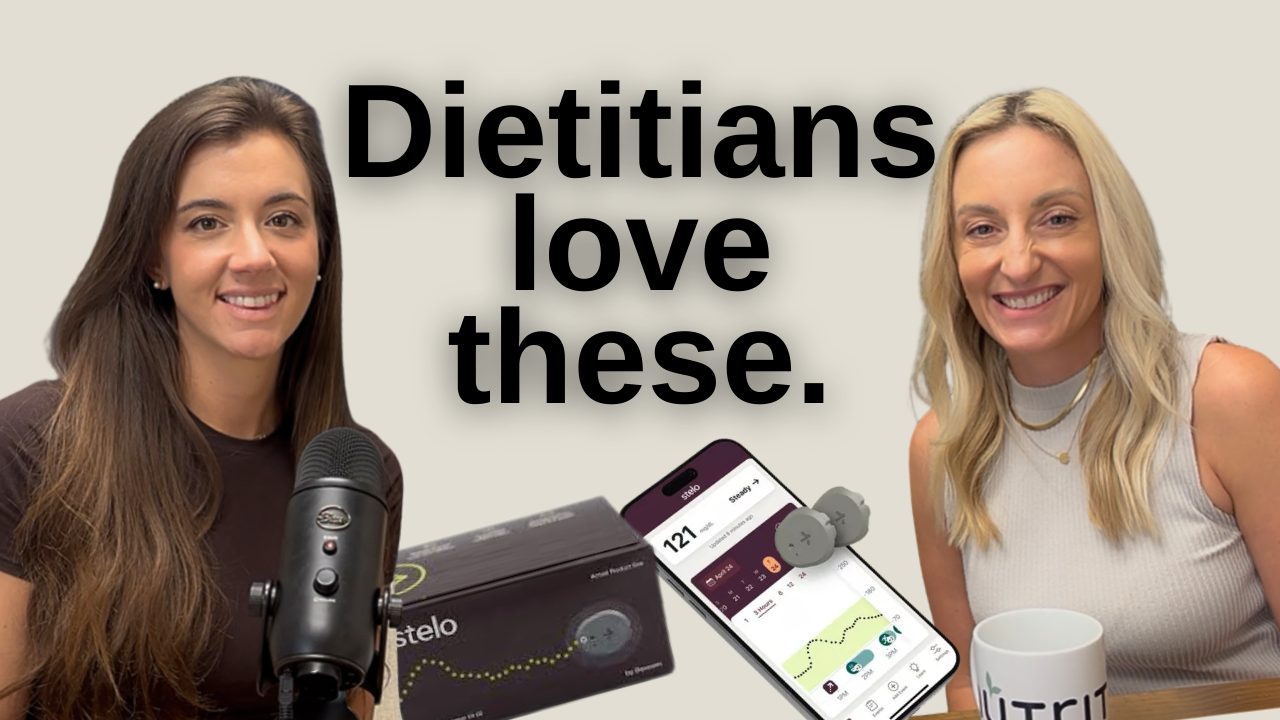
What CGM Data Can Teach You About Nutrition, Energy, and Metabolism.
Insights from Episode 202 of the Nutrition Awareness Podcast
Continuous glucose monitors, often called CGMs, are becoming more common outside of diabetes care. Many people are curious whether wearing a CGM can actually change their body or if it simply provides more data.
In Episode 202 of the Nutrition Awareness Podcast, we explored how continuous glucose monitor nutrition insightscan help people better understand their energy, metabolism, and daily eating patterns, without turning food into a source of stress or obsession.
Here is what you need to know.
What is a continuous glucose monitor?
A continuous glucose monitor is a small wearable device that tracks blood sugar levels throughout the day and night. Instead of a single snapshot, CGMs show patterns and trends in how your body responds to food, stress, sleep, movement, and caffeine.
While CGMs are essential tools for people with diabetes, more individuals without diabetes are using them to better understand metabolic health and energy regulation.
The real value of a CGM is not achieving perfect readings 100% of the time. It’s awareness of patterns in your body so you can make better choices consistently.
How nutrition influences blood sugar patterns
One of the biggest takeaways from using a CGM is realizing how strongly nutrition timing and composition affect blood sugar stability.
Through continuous glucose monitor nutrition data, people often notice:
Blood sugar spikes after meals low in protein or fiber
Dips in energy when meals are delayed or skipped
Greater variability on high stress or poor sleep days
These patterns offer information about how your body responds in real life.
Why blood sugar stability matters beyond diabetes
Blood sugar swings can affect more than lab values. They influence how you feel day to day.
When blood sugar is unstable, people may experience:
Afternoon energy crashes
Brain fog or difficulty concentrating
Increased cravings later in the day
Irritability or anxiety
CGMs help connect these symptoms back to physiology rather than willpower.
This is especially relevant for women in perimenopause or menopause, when hormonal changes can make blood sugar regulation more sensitive.
What a CGM can change about your eating habits
One of the most powerful shifts people experience is behavioral, not physical.
Using continuous glucose monitor nutrition insights can:
Reinforce the importance of regular meals
Reduce fear around carbohydrates by showing context matters
Encourage balanced meals with protein, fat, and fiber
Highlight the impact of stress and sleep on metabolism
Instead of asking “What should I eat?” many people start asking “How did my body respond?”
That is a much more sustainable mindset.
Common misconceptions about CGMs
Misconception: A flat glucose line is the goal
Blood sugar naturally rises and falls. Normal variability is expected. The goal is not perfection but fewer extreme swings.
Misconception: CGMs mean cutting out carbs
CGM data often shows that carbohydrates are better tolerated when paired with protein, fat, and fiber. This supports balanced eating, not restriction.
Misconception: CGMs are only useful short term
Even short-term CGM use can change how people think about food, energy, and consistency long after the sensor is removed.
Who benefits most from continuous glucose monitor nutrition insights?
CGMs can be especially helpful for:
People experiencing energy crashes or brain fog
Individuals with insulin resistance or prediabetes
Women navigating perimenopause or menopause
High stress professionals with irregular schedules
Anyone curious about how lifestyle affects metabolism
That said, CGMs are tools, not solutions. Interpretation matters.
Why guidance matters when using a CGM
Data without context can become overwhelming or misused. Working with a registered dietitian ensures CGM data is used to support health, not fuel anxiety or restriction.
A thoughtful approach to continuous glucose monitor nutrition focuses on:
Patterns over single readings
Behavior changes that fit real life
Long-term sustainability rather than short-term control
The goal is better understanding, not micromanagement.
Final thoughts
A continuous glucose monitor does not change your body on its own. What it changes is your relationship with food, energy, and awareness.
When used appropriately, CGMs can help people eat more consistently, support metabolic health, and reduce frustration around symptoms that previously felt unexplained.
If blood sugar, energy, or nutrition feels confusing right now, you are not doing anything wrong. Your body may just be asking for different support.
Looking for guidance with continuous glucose monitor nutrition?
If you are considering a CGM or already using one and want help interpreting the data, working with a registered dietitian at Nutrition Awareness can make all the difference.
Megan Ware and I support individuals in Orlando and virtually with continuous glucose monitor nutrition guidance that is practical, science-based, and focused on long-term well-being.
Book an initial consultation receive personalized nutrition support with a CGM.