How to Feel Like Yourself Again During Menopause
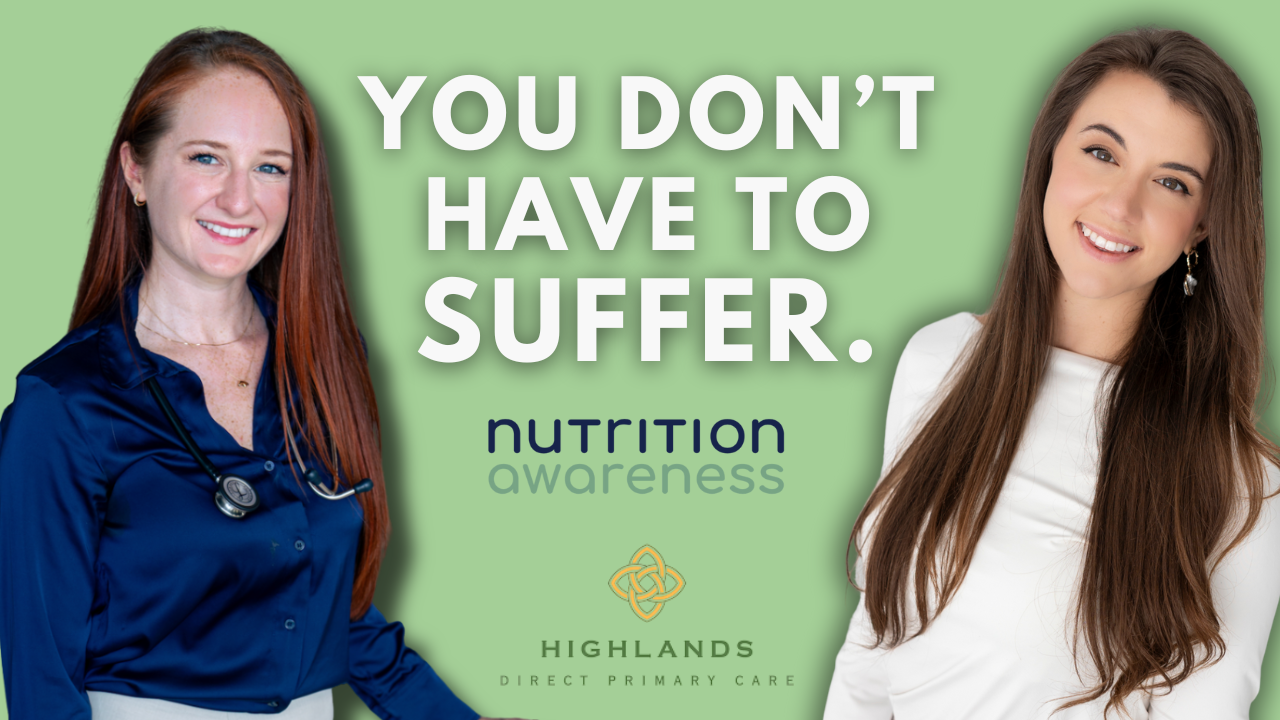
Insights from Episode 203 of the Nutrition Awareness PodcastIf you are navigating perimenopause or menopause and want practical, evidence-based support, you are not alone.In Episode 203 of the Nutrition Awareness podcast, Dr. Alexandra Gerace from Highlands DPC and Registered Dietitian Kait Richardson explore how metabolism, hormones, nutrition, and energy intersect during this transformative life stage.
As a menopause nutritionist in Orlando, I want to break down the key takeaways from this conversation and show how nutritional strategies can support real-life symptoms that many women experience during perimenopause and menopause.
Why We Lose Our Sense of Self During Menopause
Menopause and perimenopause are not just about hot flashes. They involve real hormonal fluctuations that affect:
Energy levels
Metabolism
Blood sugar regulation
Mood and brain fog
These changes can make you feel like yourself less often and increase stress around daily eating patterns and energy.
Understanding the biology behind these shifts is a first step in feeling more like yourself again.
How Hormones Affect Metabolism and Energy
During perimenopause and menopause, estrogen levels drop and become less predictable. That affects how your body:
Manages blood sugar
Stores or uses energy
Responds to stress
Hormone fluctuations make blood sugar dips more common, which can show up as fatigue, cravings, and difficulty concentrating.
This is why many women notice they no longer “bounce back” the way they did in their 30s.
What You Can Do Through Nutrition
In the podcast, Dr. Gerace and I discuss practical nutritional approaches that can support energy, stabilize metabolism, and help you feel more balanced:
1. Prioritize Balanced Meals Throughout the Day
Consistent meals that include protein, fat, and fiber can help:
Reduce blood sugar swings
Decrease cravings
Support steady energy
This matters especially during perimenopause, where hormone changes can exaggerate these swings.
2. Listen to Your Body in a Non-Judgmental Way
Hormonal changes alter appetite and cravings. Instead of seeing this as a lack of willpower, view it as information about how your system is responding. This mindset shift can reduce stress around eating patterns.
3. Support Sleep and Stress Regulation
Sleep disturbances, anxiety, and mood changes are common in menopause. While not purely nutritional, what you eat and when you eat interacts with stress hormones and sleep quality. Simple dietary stability can reduce nightly wakeups and improve morning energy.
Why Personalized Support Matters
One theme of the episode is that one-size-fits-all advice falls short. Many nutrition tips online are generic and not tailored to hormonal context. Menopause changes how our bodies use nutrients and handle stress.
That is where a trained menopause nutritionist in Orlando or elsewhere can make a real difference: not just prescribing foods, but interpreting how your unique biology and life demands shape your nutrition needs.
Common Misconceptions Addressed
Myth: Menopause means inevitable weight gain.
Reality: Hormonal shifts can slow metabolism and change fat distribution, but weight outcomes depend on many factors, including stress, sleep, and activity. Nutrition can support healthy body composition.
Myth: Hot flashes are all you need to worry about.
Reality: Menopause affects mood, brain fog, energy, metabolism, and even bone health. Food and nutrient timing can influence many of these areas.
Understanding these nuances is liberating and practical.
Final Thoughts
Menopause is a major life transition, but it does not have to mean losing yourself or feeling powerless over your body. With thoughtful nutritional support and lifestyle changes, many women begin to feel their confidence, energy, and identity return.
If food, energy, and hormones feel like a mystery right now, you deserve personalized, science-based support that meets you where you are.
Ready for Support from a Menopause Nutritionist in Orlando?
If you want help applying these insights to your daily life, as a menopause nutritionist in Orlando I help women stabilize energy, manage symptoms, and make nutrition work with their unique hormonal patterns.
Click here me to explore individualized menopause nutrition support.