What Happens When a Dietitian and a Therapist Get Honest About Fertility
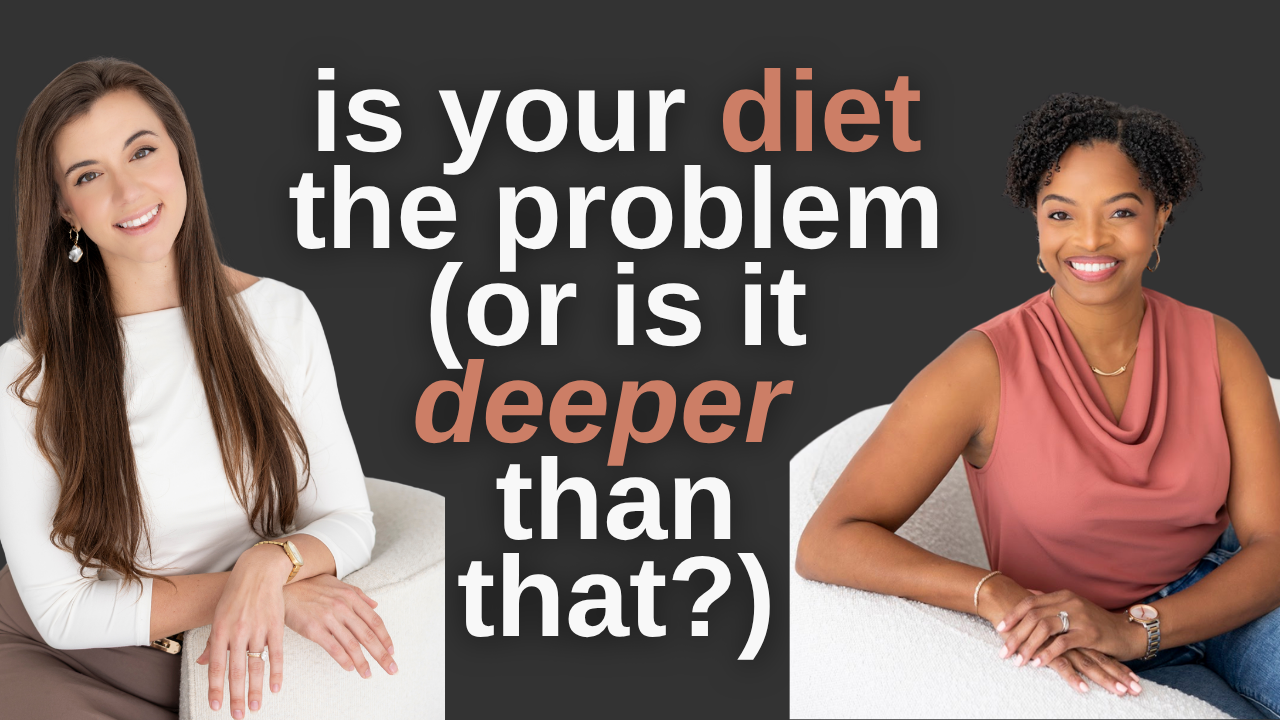
Based on episode 209 of Nutrition Awareness Podcast
Some podcast episodes just flow. This was one of them.
I recently sat down with Kerri-Anne Brown, a licensed mental health counselor here in Orlando who specializes in reproductive and maternal health, and we ended up in one of the most real, unscripted conversations I have had on the Nutrition Awareness Podcast to date.
We are both moms. We both work with women navigating the emotional and physical weight of their reproductive journeys. And we both see the same women walking through our doors, just from different angles. Kerri-Anne starts in the brain. I work through the body. Together, we covered the stuff that rarely makes it into a doctor's office visit.
If you plan events, lead teams, or work with women in any professional capacity, I want you to read this. Because the women sitting in your audience? A lot of them are carrying this quietly.
First, Let Me Set the Scene
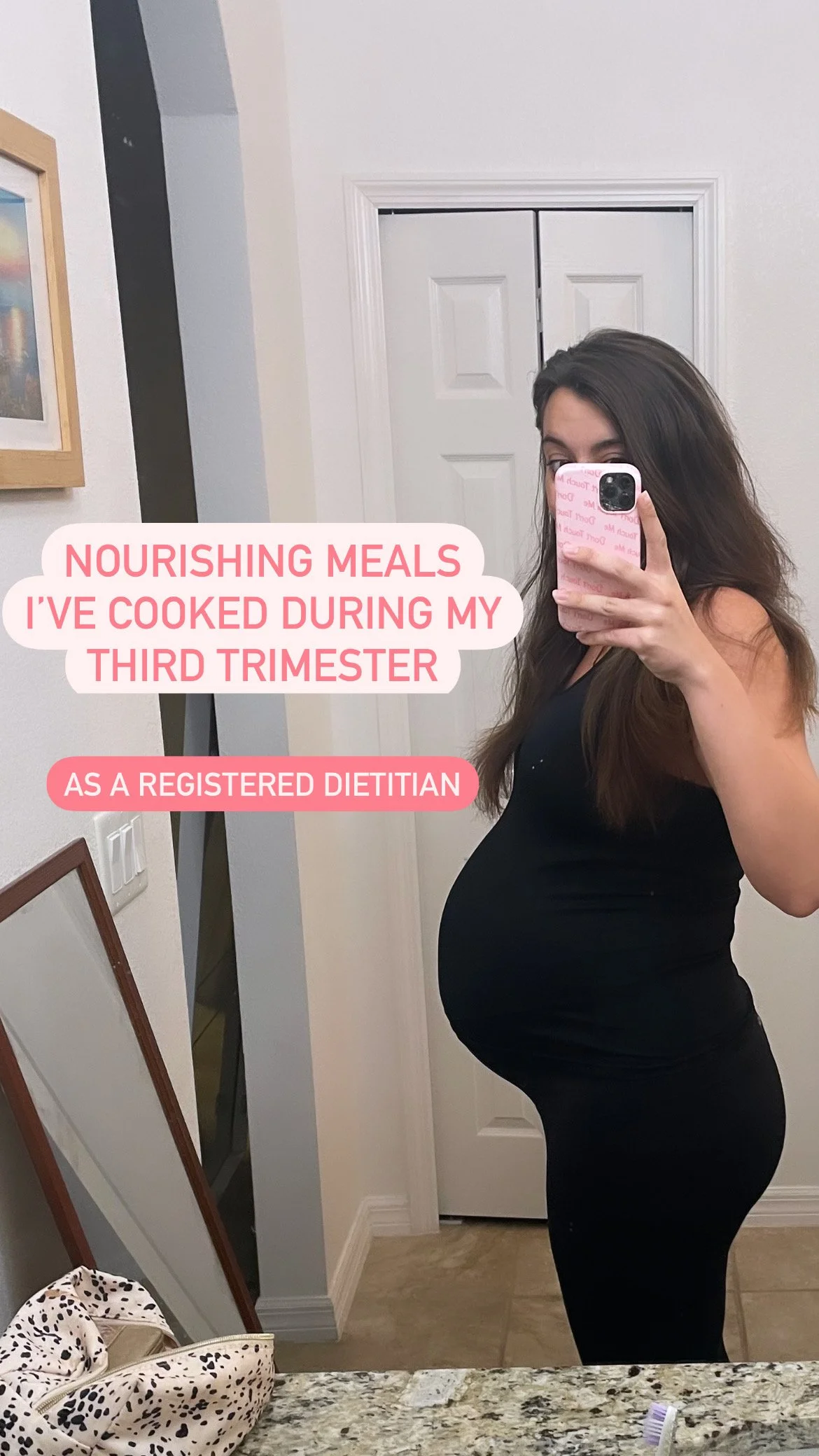
I am currently almost 20 weeks pregnant with my second baby, a boy. I have a toddler at home. I run two businesses. I speak on stages about the psychology of eating and what it actually takes to fuel a high-performing life.
And I will be the first to tell you that the fertility and motherhood journey cracked me open in ways I did not see coming.
So when Kerri-Anne and I started talking about the emotional patterns she sees in women trying to conceive, I was not just nodding along as the expert. I was nodding along as someone who has lived it.
That is the kind of conversation this was.
The Grief Nobody Names
Here is something Kerri-Anne said that I keep thinking about.
When a woman is struggling to conceive, every negative pregnancy test and every failed cycle carries layers of grief. But because it looks like a medical process from the outside, that grief rarely gets named as grief.
It shows up as identity erosion. As relationship strain. As an obsessive need to control something, anything, in a process that feels wildly out of control. And for the high-achieving, perfectionist, get-it-done women that both Kerri-Anne and I tend to attract? It often shows up on the plate.
If she can just eat perfectly, she can feel like she is doing something.
I see this all the time as a dietitian speaker and women's health practitioner. Women come into my office with immaculate food logs, a supplement stack taller than my toddler, and an anxiety level through the roof. They are doing so much. And some of what they are doing is quietly working against them.
The Cruel Irony of the "Perfect Fertility Diet"
Here is the part that surprises people when I say it on stage.
The rigidity around food during a fertility journey can create the exact kind of chronic stress that signals to your body it is not safe. And a body that does not feel safe will deprioritize your reproductive system every single time. Survival comes first. Always.
Your ovaries are not essential to keeping you alive. So if your nervous system is in constant threat mode from under-eating, over-exercising, skipping rest, and obsessing over every ingredient label, your body will redirect those resources. It is not a flaw in your design. It is your biology doing exactly what it is supposed to do.
This is the kind of thing I talk about from the stage because it reframes everything. The problem was never your willpower or your food choices. The problem is that your body has not gotten the message that it is safe enough to host a life.
And the way you send that message? Consistent, balanced, satisfying meals. Real rest. Permission to stop doing all the things.
What I Actually Look For as a Fertility Dietitian
When a new client sits down with me, here is what I am really trying to understand:

You can work with me 1:1 here!
Are you eating enough? Not just enough calories, but enough of the right building blocks. Dietary fat for hormone synthesis. Complex carbohydrates for energy and micronutrients. Protein to stabilize blood sugar. Fiber to support digestion and clear excess hormones. Iron, B12, folate. These are the basics and they are more often missing than people realize.
Is your exercise working for or against you? There is a ratio between how much energy you are putting out and how much you are taking in. When that ratio tips too far, your body notices. I fell into this trap myself in my 20s and lost my period for 14 months because of it.
What does your supplement shelf look like? More than five or six supplements without direct clinical guidance is usually a sign we need to simplify. Some are genuinely helpful, CoQ10 for egg quality being one of them. Many are redundant, unnecessary, or just expensive anxiety management.
What story are you telling yourself? This is where Kerri-Anne and I really overlap. Food rules are rarely about food. They are about control, fear, and meaning. When every meal feels like it carries the weight of a future family, eating becomes a source of stress rather than nourishment. That matters physiologically, not just emotionally.
Why This Conversation Belongs on Your Stage
I share all of this because the women in your audience are not leaving their fertility journeys, their postpartum experiences, or their hormonal health at the door when they show up to your event.
They are high achievers. They are used to solving problems with effort and discipline. And they are often quietly applying that same strategy to their bodies in ways that are doing more harm than good.
When I speak on women's health and wellness, this is the reframe I bring. Not more nutrition rules. Not another list of superfoods. But a science-backed, deeply human conversation about why your biology is not your enemy and what it actually looks like to work with your body instead of against it.
The response I get from women after these talks is always the same. Relief. Recognition. And usually a few tears from someone in the third row who needed to hear exactly that.
Listen to the Full Episode
Kerri-Anne and I go deep on all of this in the latest episode of the Nutrition Awareness Podcast. We cover the emotional patterns she sees most in women trying to conceive, how stress and food restriction interact at a physiological level, the supplement overwhelm problem, and a surprisingly vulnerable live coaching moment where she turned the mic on me.
You can find the episode wherever you listen to podcasts.
And if you are looking for a women's health and wellness speaker or dietitian speaker for your next event, conference, or corporate wellness program, I would love to connect. Learn more at kaitrichardsonrd.com.